A new legal filing accuses Andrew Weissmann of unprecedented prosecutorial misconduct, stirring debate over recent Trump pardons.
Story Highlights
- Trump issues blanket pardons for January 6 defendants, citing “grave national injustice.”
- Weissmann’s prosecutorial tactics are under scrutiny in clemency appeals.
- Trump’s actions bypass traditional DOJ clemency guidelines.
- Critics argue this undermines prosecutorial integrity.
Trump’s Pardon Decision Sparks Controversy
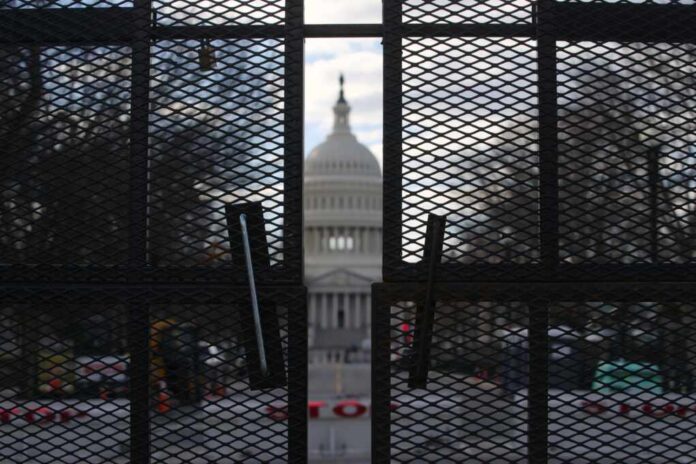
On January 20, 2025, President Trump issued blanket pardons for approximately 1,500 individuals involved in the January 6 Capitol attack. This decision, marking a significant departure from traditional clemency processes, was justified as a response to what Trump described as a “grave national injustice.” Critics argue that this move undermines the justice system and sets a concerning precedent for political accountability.
The pardons bypassed the Department of Justice’s usual requirement of a five-year waiting period post-sentence, showcasing Trump’s willingness to act unilaterally. The clemency grants have sparked mixed reactions, with supporters hailing it as a necessary correction to perceived overreach by the DOJ, while opponents view it as an abuse of presidential power that could weaken the rule of law.
Allegations Against Prosecutor Andrew Weissmann
Central to the controversy is the accusation against Andrew Weissmann, a former lead prosecutor in the Mueller investigation. Trump’s legal team has highlighted what they describe as “epic historic” prosecutorial misconduct by Weissmann, using these claims to support appeals for pardons. Critics of Weissmann have long accused him of employing aggressive tactics, including alleged “perjury traps” during the Russia probe.
The legal appeals argue that Weissmann’s influence tainted the prosecution of January 6 defendants, suggesting that the convictions were a result of a biased judicial process. These claims resonate with many conservatives who view the DOJ as a weaponized entity against Trump and his supporters, perpetuating the notion of a “deep state” conspiracy.
Implications for the Justice System
The implications of these developments are profound. In the short term, the pardons have led to the release of many January 6 defendants, relieving some pressure on the prison system and aligning with Trump’s base ahead of the midterm elections. However, in the long term, this sets a precedent for using presidential pardon power to challenge the outcomes of politically charged legal proceedings.
Moreover, the focus on Weissmann’s alleged misconduct has polarized the DOJ, with some viewing it as a necessary critique of prosecutorial practices, while others see it as an attack on the integrity of the justice system. As these debates continue, the broader impacts on federal prosecution norms and the perception of judicial impartiality remain to be seen.
Sources:
President Trump’s Commutations and Pardons
Pardon of January 6 United States Capitol Attack Defendants
Granting Pardons and Commutation of Sentences for Certain Offenses Relating to the Events at or Near the United States Capitol on January 6, 2021
Clemency Grants by President Donald J. Trump 2025-Present