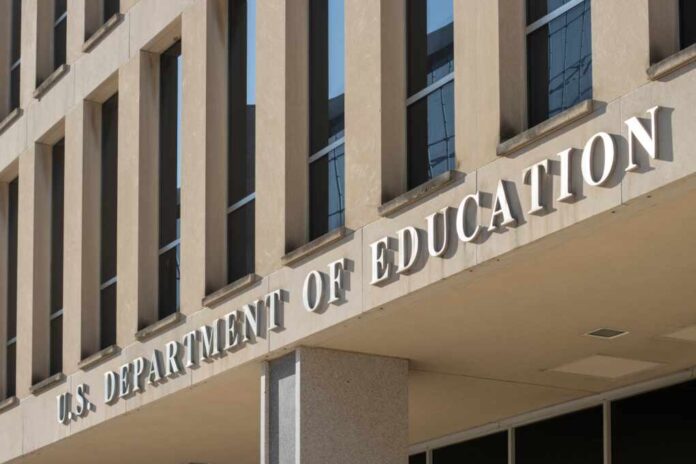
President Trump’s sweeping education overhaul is dismantling progressive influence in public schools, returning power to states and parents while sparking fierce legal and political battles over the future of American education.
Story Snapshot
- President Trump has issued executive orders to shift education authority to states and reduce federal bureaucracy.
- Federal funding for schools with specific policies, including those related to diversity, equity, and inclusion, faces new restrictions.
- Litigation is underway as courts review the legality of executive actions on K-12 and higher education.
- The changes have been met with both support and criticism, with discussions focusing on the future of federal oversight and student protections.
Trump’s Executive Orders Shift Education Power Back to States
On April 23, 2025, President Trump signed executive orders that aim to change the federal government’s role in education. These orders seek to return control of K-12 and higher education to state and local authorities, with the administration stating that education is a “state responsibility.” Secretary of Education Linda McMahon has said the goal is to empower parents and teachers and reduce what the administration describes as bureaucratic regulations.
The orders also emphasize workforce development and apprenticeships as a means of preparing students for skilled trades. The administration’s public statements promise to maintain funding for students with disabilities and other groups, while focusing on what it calls more direct, outcomes-based spending.
🚨 TRUMP’S NEXT BIG MOVE: The Department of Education just rolled out its fourth step to expand SCHOOL CHOICE nationwide—before shutting itself down entirely.
For the first time, even private school kids can access federally funded tutoring, counseling & more.
DETAILS 🧵👇 pic.twitter.com/hwS34HCNSq
— Rod D. Martin (@RodDMartin) August 24, 2025
Progressive Programs and Agendas Face Major Rollbacks
The Trump administration’s orders have targeted specific federal initiatives, including those related to Diversity, Equity, and Inclusion (DEI) and policies that recognize transgender students’ rights. The administration has stated that these changes are a return to “common-sense” education, with a focus on stricter discipline and merit-based admissions. The Department of Education has faced staffing cuts and a freeze on some research funding, which the administration states is part of an effort to realign the department’s priorities.
According to critics, the administration’s efforts to reduce federal oversight may threaten vital protections for students, particularly those from minority and vulnerable communities. These actions have been met with legal challenges, with federal judges issuing preliminary injunctions on some of the administration’s executive orders.
Legal and Political Fallout: Courts and States Push Back
The administration’s push to reshape education policy has led to a wave of litigation. Federal judges have intervened with injunctions to halt the enforcement of several executive orders, especially those threatening funding for schools that maintain DEI programs or provide accommodations for transgender students. As legal challenges work through the courts, the power struggle between the federal government and the states is intensifying.
Advocacy groups and civil rights organizations have filed lawsuits arguing that the administration’s actions are unconstitutional and exceed executive authority. In response, the administration has defended its actions as necessary to reform a system that it says has become overregulated. As the legal landscape evolves, state and local education leaders are left navigating a rapidly changing environment.
Sources:
Trump signs seven more executive orders impacting K-12 …
Statement on President Trump’s Executive Order to Return …
The status of litigation against the Trump administration’s K …
Higher Education & The Trump Administration