A new battle involving Warner Bros. sees Trump leveraging his influence to expand presidential powers, raising constitutional concerns.
Story Overview
- Trump’s ongoing conflict with CNN and Warner Bros. Discovery revives concerns over media influence.
- His administration’s antitrust actions against the AT & T-Time Warner merger set a precedent for presidential power use.
- Warner Bros. Discovery’s restructuring and CNN’s editorial shifts remain under scrutiny.
- Trump’s campaign vows to intensify control over federal agencies, targeting unfavorable media.
Trump’s Conflict with Warner Bros. and Media Giants
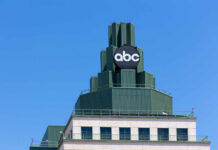
Donald Trump’s longstanding battle with major media entities, particularly CNN, has been a focal point of his political narrative. During his presidency, Trump repeatedly targeted CNN, which was then under Time Warner, accusing it of disseminating “fake news” and pledging to block corporate mergers involving the media giant. This rhetoric set the stage for broader confrontations with Warner Bros. Discovery, the parent company of CNN and other influential media outlets.
Trump’s opposition to the AT&T-Time Warner merger marked a significant moment in his presidency, as the Department of Justice (DOJ) took legal action to prevent the merger on antitrust grounds. Critics argued that this move was politically motivated, aimed at punishing CNN for its coverage of Trump. However, the courts ultimately approved the merger, underscoring the limits of presidential power in corporate affairs.
President Donald Trump signaled opposition to a Warner Bros. Discovery sale that did not see the news network CNN included or sold to a new company, signaling a potential wrinkle for the bid from Netflix https://t.co/jTMaZLh9x9 pic.twitter.com/0e0TmrfrJe
— Bloomberg TV (@BloombergTV) December 10, 2025
Warner Bros. Discovery’s Restructuring and Political Flashpoints
Following the AT&T-Time Warner merger, WarnerMedia was spun off and merged with Discovery to form Warner Bros. Discovery (WBD). This restructuring led to significant changes within CNN, including leadership shifts and a controversial attempt to reposition the network’s editorial stance. These changes have sparked debates about whether corporate and political pressures are influencing CNN’s coverage, potentially favoring Trump and conservative viewpoints.
At the same time, Warner Bros. and HBO continue to produce content that attracts criticism from conservative circles, with Trump and his allies often targeting specific shows for promoting liberal cultural narratives. These media battles have become emblematic of a broader cultural conflict, with Trump seeking to assert greater control over the media landscape through regulatory and political means.
Expanding Presidential Powers and the Future of Media
As Trump campaigns for a potential return to the presidency in 2025, his rhetoric increasingly emphasizes expanding presidential authority over federal agencies. This includes reigning in the DOJ, FTC, and FCC, using antitrust and regulatory tools against perceived ideological opponents in media and corporate America. Such moves are viewed as an extension of earlier efforts to challenge independent law enforcement and regulatory bodies.
The implications of Trump’s actions for media corporations are profound. The chilling effect of past confrontations, such as the AT&T-Time Warner merger battle, signals that editorial decisions may increasingly factor in political and regulatory risks. As the debate over presidential power and media freedom continues, stakeholders must navigate a landscape fraught with legal, political, and cultural challenges.
Sources:
Asserting a Personal Role in Warner Bros. Battle, Trump Seeks to Expand His Powers Again