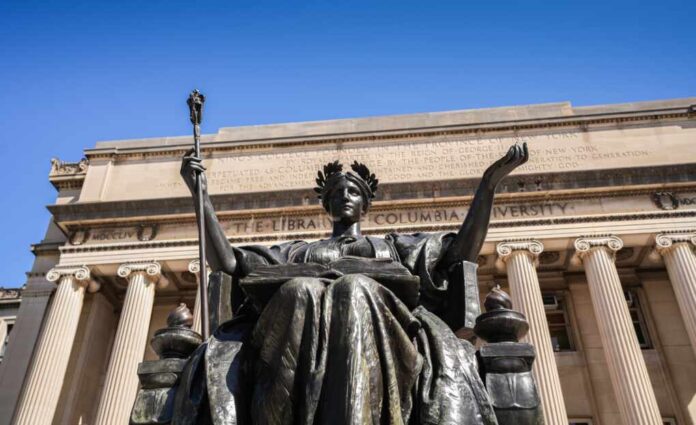
A US immigration judge has ordered the deportation of Columbia University pro-Palestinian activist Mahmoud Khalil after ruling he deliberately lied on his green card application, marking the first major deportation case targeting campus activism under the Trump administration.
Story Highlights
- Immigration judge orders deportation to Syria or Algeria based on alleged green card fraud
- Khalil detained by ICE for over 100 days despite being married to US citizen with American child
- Case uses Cold War-era Immigration and Nationality Act provisions targeting political activists
- ACLU challenges ruling as unprecedented attack on First Amendment rights
Immigration Court Rules on Green Card Fraud
Immigration Judge Comans ruled that Mahmoud Khalil deliberately misrepresented information on his green card application, making him deportable to either Syria, his birthplace, or Algeria, where he holds citizenship. The decision came after government attorneys submitted evidence alleging Khalil provided false statements during his permanent residency process. Despite holding lawful permanent resident status and being married to a US citizen, the judge determined the misrepresentation violated immigration law requirements for maintaining legal status.
🚨 In other great news 🚨
Immigration judge orders Mahmoud Khalil DEPORTED to Syria or Algeria after lying on his visa application. ✌🏼 pic.twitter.com/C7HEq8aeHP
— Gina Milan (@ginamilan_) September 18, 2025
Unprecedented Use of Cold War-Era Law
The government invoked rarely used provisions of the Immigration and Nationality Act of 1952, historically employed during McCarthyism to target political dissidents. The State Department ordered Khalil’s visa revocation and deportation proceedings, citing foreign policy concerns related to his pro-Palestinian activism. This represents the first known case under the Trump administration using these Cold War statutes to justify deportation based on political speech and activism rather than criminal charges.
Constitutional Rights Challenge
The ACLU has filed appeals challenging the ruling as an unprecedented attack on constitutional rights, arguing the case sets dangerous precedents for free speech protections. Legal experts question the constitutionality of using immigration law to punish political activism, drawing parallels to McCarthy-era government overreach. Khalil’s attorneys contend the deportation order represents retaliation for lawful protest activities protected under the First Amendment, raising concerns about government authority to silence dissenting voices through immigration enforcement.
Broader Implications for Campus Activism
The case creates a chilling effect on campus protest movements, particularly those involving Middle East politics and pro-Palestinian activism. Higher education institutions face increased scrutiny over student demonstrations, while immigrant activists worry about government retaliation for exercising constitutional rights. The Trump administration’s crackdown on perceived anti-Israel sentiment signals expanded use of immigration law as a tool to suppress political dissent, threatening the traditional boundaries between lawful protest and deportable offenses.
Khalil remains under threat of deportation while legal appeals continue, with federal courts examining the free speech implications of using immigration law to target political activists. This case establishes concerning precedents for government power to deport non-citizens based on their political views rather than criminal conduct, undermining fundamental constitutional protections that have historically shielded lawful protest from government retaliation.
Sources:
Detention of Mahmoud Khalil – Wikipedia
Mahmoud Khalil to Challenge Immigration Judge’s Unprecedented Ruling – ACLU