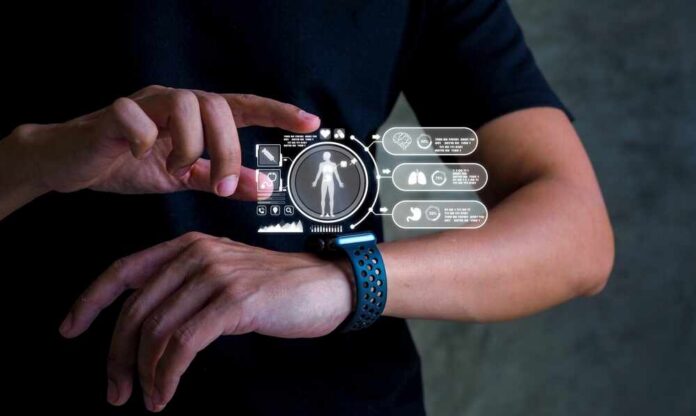
A simple notification from a smartwatch delivered a stark warning that prevented a catastrophic stroke, reminding Americans that life-saving technology now fits on our wrists.
Story Snapshot
- Austin resident Mike Gomez received five Apple Watch alerts for elevated heart rate and atrial fibrillation despite feeling perfectly healthy
- Hospital tests confirmed dangerous heart arrhythmia within minutes; doctors warned any delay could have caused a fatal stroke
- Atrial fibrillation affects over 5 million Americans, often with zero symptoms, making wearable technology a critical early detection tool
- Similar cases nationwide demonstrate how FDA-cleared smartwatch features are catching life-threatening conditions doctors might miss
Life-Saving Alert Catches Silent Killer
Mike Gomez felt fine on January 24 when his Apple Watch vibrated with an unusual message. The Austin resident received an elevated heart rate alert, followed by four more notifications within hours. The final message demanded immediate attention: atrial fibrillation detected, contact a health professional immediately. Despite experiencing no chest pain, shortness of breath, or dizziness, Gomez headed to the hospital. Medical staff confirmed the watch’s diagnosis within sixty seconds using an ECG. Doctors delivered sobering news: the irregular heartbeat could have triggered a stroke without prompt treatment, potentially proving fatal.
FDA-Cleared Technology Proves Its Worth
Apple Watch health monitoring features received FDA clearance in 2018, utilizing optical heart sensors to detect irregular rhythms through photoplethysmography. The Apple Heart Study validated this technology across 419,000 participants, demonstrating 98 percent sensitivity for atrial fibrillation detection. This represents a significant advancement over traditional healthcare, where asymptomatic conditions often go unnoticed until emergency situations arise. The American Heart Association confirms atrial fibrillation increases stroke risk dramatically, causing one in seven strokes nationwide. Wearable devices now serve as constant guardians, monitoring heart rhythms during daily activities when symptoms remain absent and traditional checkups occur months apart.
Growing Pattern of Technological Intervention
Gomez’s experience reflects a nationwide pattern of smartwatch alerts preventing medical disasters. Daniel Smith from Effingham County, Georgia, shared his smartwatch data with doctors in February 2026 after experiencing persistent fatigue. The device captured irregular heart patterns physicians initially overlooked during standard examinations. Dr. Todd Senn noted millions of Americans have asymptomatic heart conditions, with wearables catching non-classic presentations that traditional medicine misses. A Nova Scotia firefighter received an irregular rhythm notification during an actual heart attack, enabling immediate intervention. These cases validate the technology’s role as a “second set of eyes” for active individuals who dismiss minor symptoms as normal fatigue.
Personal Responsibility Meets Innovation
Gomez now urges Americans to embrace proactive health monitoring, stating “we’re not promised tomorrow.” His wife Jazmin expressed profound gratitude for technology that detected danger her husband couldn’t feel. The incident prompted Gomez to prioritize regular walks and continuous health tracking. This aligns with conservative principles of personal responsibility and self-reliance, empowering individuals to manage their health without excessive government healthcare bureaucracy. Americans can now access FDA-cleared medical-grade monitoring without navigating complex healthcare systems or waiting for annual physicals. The technology puts health decisions back in individual hands, catching problems before they require expensive emergency interventions or long-term government healthcare assistance.
Market Response and Accessibility
Wearable device adoption has surged over 20 percent, driven by health monitoring capabilities rather than fitness tracking alone. The wearables market now exceeds $10 billion, with Apple dominating approximately 50 percent through partnerships with the American Heart Association. After similar scares, individuals worldwide purchased smartwatches for family members, recognizing the value of constant monitoring. A 26-year-old Indian man credited his device with detecting dangerously high blood pressure of 180/120, prompting immediate lifestyle changes including eliminating junk food. This market-driven healthcare innovation demonstrates how private sector technology solves problems government programs struggle to address, delivering advanced medical monitoring without taxpayer funding or bureaucratic oversight.
Expert Validation and Cautious Optimism
Medical professionals emphasize wearables complement rather than replace professional diagnosis. Dr. Darien Sutton stressed “time is brain” when discussing how rapid detection enables swift treatment for conditions like brain hemorrhages. Experts recommend setting up emergency contacts and fall detection features to maximize device effectiveness. Family medical history amplifies monitoring value, as genetic predispositions make early detection crucial. While some cases show false positives requiring follow-up testing, the overwhelming majority of alerts prompt genuine medical discoveries. The technology serves Americans seeking to protect their families through individual initiative, avoiding dependence on overstretched healthcare systems struggling under previous administrations’ mismanagement and wasteful spending priorities.
Sources:
Austin man credits Apple Watch notifications with saving his life
How one notification and a sudden vibration saved life of this 26-year-old MP man
Fitness enthusiast believes Apple Watch helped save his life
Apple Watch notifies man having heart attack
Smartwatch heart rate complications