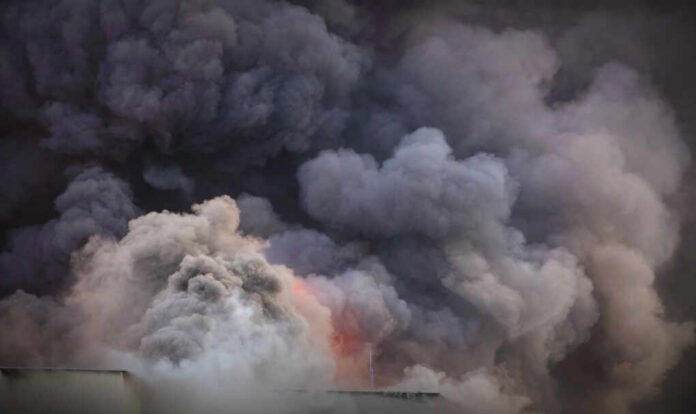
Catastrophic wildfires tearing through western Oklahoma and the Texas Panhandle have burned over 175,000 acres, destroyed multiple homes, injured firefighters, and forced entire communities to flee as state and federal agencies scramble to contain blazes moving at speeds of up to five miles per hour.
Story Snapshot
- Multiple massive wildfires erupted across Oklahoma and Texas Panhandles on February 17, 2026, driven by 40 mph wind gusts, 15% humidity, and unseasonably warm temperatures
- The largest blaze, the Ranger Road Fire in Beaver County, consumed approximately 145,000 acres and crossed state lines into Kansas
- Evacuations ordered across six counties; at least eight structures destroyed, four firefighters injured during suppression efforts
- FEMA approved 13 Fire Management Assistance Grants as Governor Kevin Stitt pledged state aid to affected communities
Perfect Storm of Dangerous Conditions Ignites Disaster
Oklahoma emergency officials activated the State Emergency Operations Center on Monday, February 16, recognizing the approaching threat. By Tuesday afternoon, their worst fears materialized as multiple wildfires exploded across the panhandle region. The National Weather Service identified a deadly trifecta: sustained southwest winds of 15 to 25 mph with gusts reaching 40 mph, relative humidity plummeting to just 15 percent, and temperatures soaring into the upper 60s and low 70s—far above normal for mid-February. These extreme conditions transformed dormant winter grasses into tinderboxes that ignited and spread with terrifying speed across the rural landscape.
Massive Acreage Consumed as Fires Jump State Lines
The Ranger Road Fire in Beaver County emerged as the monster of the outbreak, devouring approximately 145,000 acres and racing east-northeast at three to five miles per hour before crossing into Kansas. In Texas County, the Stevens Fire burned an estimated 5,000 acres while the Side Rad Fire consumed 3,300 acres by Tuesday evening. Woodward County’s 43 Road Fire scorched 2,000 acres. Across the state line in Texas, the situation was equally dire. The 8 Ball Fire in Donley County burned an estimated 7,000 acres with zero containment, while the Lavender Fire in Potter and Oldham counties consumed 500 acres, also completely uncontained.
Communities Forced to Evacuate as Highways Shut Down
Emergency managers ordered evacuations across multiple counties as flames bore down on populated areas. In Beaver County, residents east of Beaver, Knowles, and Gate received urgent evacuation orders. Highway 64 was completely shut down in portions of the county, cutting off a critical transportation corridor. In Texas, mandatory evacuations were issued for Valley De Oro and the town of Howardwick. Both directions of US 287 closed from Goodnight to Ashtola in Donley County, though the highway reopened around 6:30 p.m. Three emergency shelters activated across Oklahoma to house displaced residents, staffed by the American Red Cross and Oklahoma Baptist Disaster Relief.
Property Destroyed and First Responders Injured
The human toll mounted as firefighters battled the blazes under treacherous conditions. Four firefighters suffered injuries in Beaver County, and a firefighter vehicle was involved in a crash during response operations. Property damage reports painted a grim picture: Texas County lost five structures to the flames, while Woodward County reported three structures destroyed. Multiple outbuildings were consumed in Beaver County. The Oklahoma Forestry Service and Texas A&M Forest Service coordinated suppression efforts, but most fires remained largely uncontained by Tuesday evening. This reflects the brutal reality of grassland fires under extreme wind conditions—they move faster than containment lines can be established.
Massive Wildfires Ravage Western Oklahoma, Evacuations Issued https://t.co/49W9pdh59U
— Steve Ferguson (@lsferguson) February 18, 2026
Governor Kevin Stitt released a statement pledging state aid to those affected, while FEMA approved 13 Fire Management Assistance Grants to support federal resource allocation. The National Weather Service extended Red Flag Warnings and Fire Weather Watches through Thursday, February 19, with no relief expected until a cold front arrives Friday. KOCO 5 Meteorologist Joseph Neubauer warned that westerly winds would continue bringing dry air into the region, stating bluntly: “A west wind is never a good wind here in Oklahoma.” For rural communities already living on tight margins, this disaster represents not just immediate danger but long-term recovery challenges requiring significant federal and state assistance—a burden that ultimately falls on taxpayers across the nation.
Sources:
Multiple fires burning across Texas and Oklahoma Panhandles amid high winds, severe weather
Oklahoma Department of Emergency Management gives update on wildfires situation
Critical Fire Weather Threat Hits Illinois and Oklahoma