

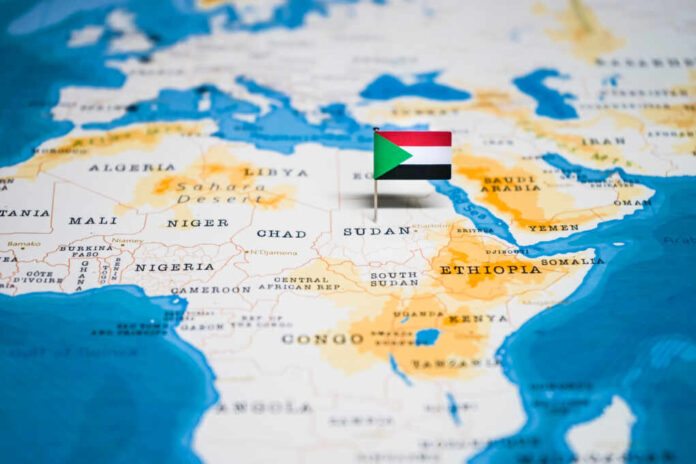
As the Rapid Support Forces seize control of El Fasher, the failure of international actors to protect civilians becomes glaringly evident, putting thousands at risk.
Story Overview
- El Fasher, Sudan, falls to RSF after a 500-day siege.
- Tens of thousands of civilians are trapped or fleeing under dire conditions.
- International failure to intervene exacerbates the humanitarian crisis.
- Mass executions and attacks on hospitals reported.
RSF Seizes Control of El Fasher
The fall of El Fasher, the capital of North Darfur, marks a pivotal moment in Sudan’s ongoing civil war. In October 2025, after a prolonged siege lasting over 500 days, the Rapid Support Forces (RSF) took control of the city. This development has intensified the humanitarian crisis, with reports indicating mass executions and targeted attacks on hospitals. Civilians are now forced to flee, often on foot, to reach safety in regions like Tawila, where conditions remain dire.
The humanitarian situation in El Fasher is dire, with tens of thousands of civilians, primarily women, children, and the elderly, trapped or desperately trying to flee. The RSF, accused of committing atrocities, holds military dominance in the region, leaving the Sudanese Armed Forces (SAF) largely displaced. This power shift has resulted in restricted humanitarian access, leaving relief agencies struggling to provide necessary support to those in need.
El-Fasher has fallen to the RSF after a 500+ day siege. The UN is sounding the alarm on atrocities & demanding safe passage. This is a bloody turning point in Darfur & in Sudan’s war. #KeepEyesOnSudan pic.twitter.com/CYf4sNu4oP
— Bashy (@ElbashirIdris_) October 28, 2025
International Response and Criticism
International actors, including the United Nations, have been criticized for their inability to effectively intervene in the crisis. UN officials have condemned the global inaction, with statements highlighting the bloodshed and calling for urgent protection and accountability. Despite these calls, the humanitarian infrastructure remains severely compromised, and aid agencies face significant challenges in reaching the affected populations.
The ongoing conflict and humanitarian collapse in Sudan extend beyond its borders, threatening regional stability. Neighboring countries like Chad, South Sudan, and the Central African Republic are experiencing increased refugee flows, adding pressure to already strained resources. The long-term implications of this crisis include potential ethnic violence and further destabilization of the region, posing significant challenges to international peace and security.
Humanitarian Crisis Deepens
The immediate impact of the RSF’s control over El Fasher is devastating, with widespread casualties and severe food insecurity contributing to the escalating humanitarian crisis. As thousands continue to flee, the regional humanitarian sector is overwhelmed, struggling to provide basic necessities to displaced populations. The political landscape in Sudan remains fragile, with ongoing violence threatening to further destabilize the region.
Experts emphasize the urgent need for international intervention to prevent further atrocities and provide relief to those affected. The failure to address the root causes of the conflict, including power struggles between the SAF and RSF, risks perpetuating the cycle of violence in Darfur. Without decisive action, the humanitarian catastrophe in El Fasher could have far-reaching consequences, both within Sudan and across the broader region.
Sources:
UN News: Sudan’s Civil War Intensifies in El Fasher
Vatican News: Humanitarian Catastrophe in El Fasher
OHCHR: UN Experts Urge Immediate Action in El Fasher