President Trump’s aggressive new military campaign is destroying drug-trafficking vessels in the Caribbean and Eastern Pacific, 83 suspected smugglers killed across 21 airstrikes since September, marking a dramatic escalation from traditional law enforcement to active military engagement against the narcotics crisis destroying American communities.
Quick Take
- Trump administration launched military strikes on alleged drug boats beginning September 2025, resulting in 21 airstrikes and 83 deaths across Caribbean and Eastern Pacific regions
- Operation represents significant policy shift from Coast Guard interdiction to military engagement, with new “Operation Southern Spear” task force institutionalizing the campaign
- U.S. Coast Guard seized record 510,000 pounds of cocaine in fiscal 2025—over three times the historical average—demonstrating scale of trafficking threat to American citizens
- Critics question evidentiary standards and due process, while administration frames operation as protecting Americans from fentanyl and cocaine poisoning
Trump Administration Takes Decisive Action Against Narco-Terrorism
The Trump administration’s military strikes against drug-trafficking vessels represent a bold departure from decades of failed Coast Guard-only interdiction strategies. Beginning September 2, 2025, President Trump authorized military airstrikes targeting speedboats and vessels allegedly smuggling cocaine and fentanyl from Latin America into American communities. The operation has conducted 21 confirmed strikes across the Caribbean Sea and Eastern Pacific Ocean, eliminating 83 individuals involved in trafficking operations that poison American citizens daily. This aggressive posture signals the administration’s commitment to treating drug trafficking as a national security threat requiring military-level response.
Record Cocaine Seizures Underscore the Crisis
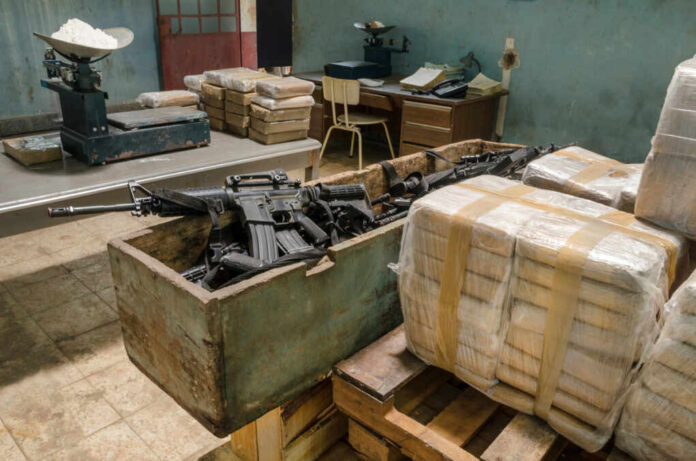
The scale of the narcotics crisis justifies the administration’s military escalation. The U.S. Coast Guard seized nearly 510,000 pounds of cocaine in fiscal 2025 across the Eastern Pacific Ocean and Caribbean—more than three times the historical annual average of 167,000 pounds and the largest amount in Coast Guard history. This record seizure activity demonstrates that traditional law enforcement methods, while effective, remain insufficient against the industrial-scale drug trafficking operations flooding American streets with lethal fentanyl and cocaine. The military strikes complement Coast Guard interdiction efforts by targeting high-speed trafficking vessels that evade conventional maritime law enforcement.
Operation Southern Spear Institutionalizes Counternarcotics Mission
The administration formalized its military engagement through the newly unveiled “Operation Southern Spear” joint task force framework, announced during the November 15, 2025 strike. This institutionalization signals the operation’s evolution from ad-hoc strikes to sustained military engagement against trafficking networks. Secretary of Defense Pete Hegseth has characterized operation targets as “narco-terrorists” and “cartel terrorists,” framing drug trafficking as terrorism requiring military response. The operation maintains approximately 2-3 day strike intervals during peak periods, indicating sustained operational tempo and commitment to disrupting trafficking routes.
Executive Authority Prevails Over Congressional Resistance
The Senate voted down a resolution requiring congressional approval for further strikes on November 1, 2025, consolidating executive power over the operation. This legislative outcome reflects partisan divisions on military engagement authority but demonstrates the administration’s ability to maintain operational continuity without congressional constraint. President Trump and Secretary Hegseth exercise unilateral decision-making authority over strike authorization, with military commanders executing tactical operations. The Senate’s rejection of oversight requirements strengthens the administration’s position to continue and potentially expand the campaign without additional legislative restrictions.
‘Deliver or Die’: Inside the Drug-Boat Crews Ferrying Cocaine to the U.S. – WSJ https://t.co/bMbW2nqOkK
— Marc Polymeropoulos (@Mpolymer) November 28, 2025
Protecting American Citizens from Fentanyl Poisoning
The administration has consistently framed Operation Southern Spear as protecting American citizens from drug poisoning. Fentanyl and cocaine trafficked through Caribbean and Pacific routes devastate American communities, families, and workplaces. The military strikes directly target the trafficking networks supplying these lethal substances to U.S. markets. By eliminating trafficking vessels and personnel, the operation disrupts supply chains and raises operational costs for criminal organizations. Conservative Americans frustrated by decades of ineffective drug policy can view this military engagement as a decisive response prioritizing citizen safety over diplomatic niceties with corrupt Latin American regimes facilitating trafficking.
Sources:
Timeline: US strikes alleged drug boats
2025 United States military strikes on alleged drug traffickers
Coast Guard sets historic record with amount of cocaine seized in FY25
The Trump Administration and Venezuela: Michael Shifter analyzes maritime strikes and possible regime change