A new wave of immigration enforcement is testing the strength of the U.S. Catholic Church’s commitment to democratic norms.
Story Highlights
- Significant tensions between Trump’s administration and the U.S. Catholic Church.
- Catholic leaders criticize immigration policies as contrary to religious and democratic values.
- MAGA supporters within the administration clash with broader Church teachings.
- Opus Dei’s influence in politics adds complexity to the Church’s internal dynamics.
Trump’s Policies Under Fire from Catholic Leaders
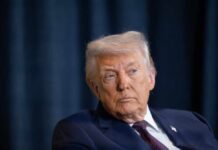
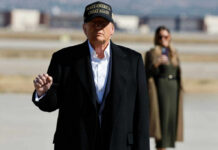
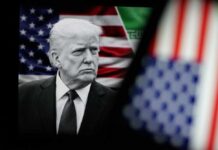
Since the beginning of Donald Trump’s second administration in early 2025, significant tensions have emerged between the administration and the U.S. Catholic Church. The Church, known for its emphasis on human rights and democratic norms, has criticized Trump’s executive actions on immigration, environment, and care for vulnerable populations. Archbishop Timothy Broglio, a leading Catholic figure, has publicly described these policies as “deeply troubling.”
The Church’s institutional response has been multifaceted, involving legal action, pastoral care, and public witness. The creation of an “anti-Christian-bias task force” by the Trump administration has been condemned by prominent Christian leaders, including Catholic clergy, as a dangerous overreach threatening religious freedom. This move has amplified the Catholic Church’s concerns about authoritarian governance and the erosion of democratic norms.
Internal Church Tensions with MAGA-Identified Catholics
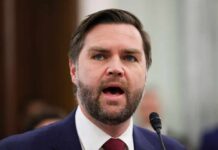
Despite the broader Church’s opposition, some prominent figures within the Trump administration, such as Vice President JD Vance and media strategist Steve Bannon, identify as Catholics and advance MAGA policies. This internal conflict highlights a paradox where MAGA-identified Catholics support policies that the Church views as contrary to Catholic social teaching. This situation underscores the complexity of religious identity intersecting with political ideology within the Catholic community.
The influence of Opus Dei, a conservative Catholic organization affiliated with Project 2025, adds another layer of complexity to the Church’s internal dynamics. Opus Dei’s conservative stance and resistance to reforms attempted by the late Pope Francis have caused friction within the Church, even as the organization exerts significant political influence.
Continued Resistance and Future Prospects
In response to the administration’s actions, individual dioceses have actively resisted through lawsuits, protests, and pastoral care initiatives, particularly in immigrant communities. The Los Angeles archdiocese, for instance, organized a Day of Prayer for Peace and Unity in June 2025, following sweeping ICE raids and National Guard deployment.
The future trajectory of this conflict will largely depend on the papal succession following Pope Francis’s recent death. The new pope’s stance on immigration policy and internal Church reforms, particularly regarding Opus Dei, will play a critical role in shaping the Church’s response to ongoing political challenges. As the Church navigates these tensions, its commitment to democratic principles and human dignity remains a guiding force.
Sources:
America Magazine: Catholics and Authoritarianism
Between The Lines: Opus Dei, Pope Francis, and Trump’s MAGA Movement