President Trump’s accusations against Colombia threaten to reshape US foreign policy and intensify diplomatic tensions.
Story Highlights
- Trump accuses Colombian President Gustavo Petro of being an “illegal drug leader.”
- US financial aid to Colombia is at risk of being cut off.
- Potential US intervention in Colombia’s internal affairs is implied.
- Colombia faces diplomatic challenges amidst rising drug production.
Trump’s Controversial Accusations
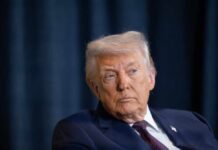
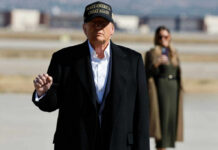
On October 19, 2025, President Donald Trump made headlines by accusing Colombian President Gustavo Petro of being an “illegal drug leader” and threatened to cut off all US financial aid to Colombia. This unprecedented public accusation has sparked widespread reactions, highlighting a significant shift in the diplomatic approach between the two nations. Trump’s statements were seen as a response to ongoing frustrations with Colombia’s drug policy and a recent maritime incident in the Caribbean.
Trump’s rhetoric marks a departure from the traditional diplomatic language typically used by US presidents, emphasizing a tougher stance on drug-related issues. The US has long been a critical partner in Colombia’s anti-narcotics operations, but Trump’s threat to “close up” Colombia’s “killing fields” suggests a willingness to take more direct action if Colombia does not address drug production effectively. This has raised concerns about the future of US-Colombia relations.
Trump labels Colombian president drug leader, vows to end US aid to the countryhttps://t.co/5RKFkA0cii
— IndiaToday (@IndiaToday) October 19, 2025
Colombian Response and Diplomatic Tensions
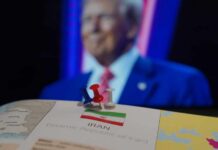
In response to Trump’s accusations, Colombian President Gustavo Petro issued a formal statement on October 20, 2025, rejecting the allegations and defending his administration’s record on drug policy. Petro emphasized Colombia’s efforts to reform its drug strategy, focusing more on social and economic solutions rather than militarized approaches. However, the accusations have strained diplomatic ties, putting Colombia in a difficult position as it relies heavily on US aid for its anti-narcotics efforts.
The Colombian government is now faced with the challenge of navigating these strained relations while maintaining its sovereignty. Petro’s administration must balance appeasing US demands with addressing domestic priorities, especially as Colombia seeks greater autonomy in its internal affairs.
Implications for US-Colombia Relations
The potential suspension of US aid could have significant short- and long-term impacts on Colombia. In the short term, it may disrupt security and anti-narcotics operations, while in the long term, it could lead to a realignment of Colombia’s foreign policy and increased anti-American sentiment. The situation underscores the complex power dynamics between the US and Colombia, with the US historically wielding significant influence through financial support and security cooperation.
Experts warn that cutting aid could backfire, potentially leading to increased drug production and instability in the region. As both Trump and Petro navigate their domestic political landscapes, the international community watches closely to see how this diplomatic rift will unfold.
Sources:
Yeni Şafak: Colombian president responds to Trump’s ‘drug leader’ accusations