A courtroom fight between two tech titans is exposing how a nonprofit promise can morph into an $800 billion power struggle—without voters getting any real say.
Quick Take
- OpenAI CEO Sam Altman testified April 29, 2026, rebutting Elon Musk’s claim that OpenAI abandoned its nonprofit mission.
- Altman told the federal court that Musk sought sweeping control in 2018, including a CEO role and a dominant equity stake.
- Altman defended OpenAI’s hybrid nonprofit/for-profit structure, saying money has been reinvested into research rather than paid out as profits.
- The case is still underway in Oakland, with testimony expected to shift toward OpenAI President Greg Brockman.
- The trial could reshape how America governs powerful AI systems that now sit at the center of national economic and security competition.
Altman’s Testimony Puts “Control” at the Center of the Dispute
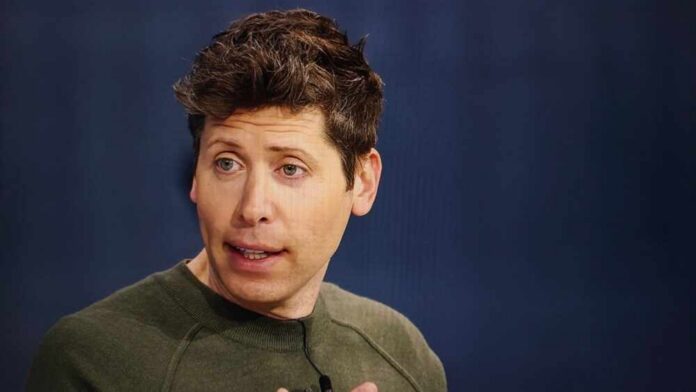
Sam Altman’s April 29 testimony in federal court in Oakland framed the OpenAI-Musk breakup as a struggle over who would command the project, not whether the mission mattered. Altman described Musk as pressing for a CEO role and extraordinary control during 2018 discussions, after tensions rose inside the organization. That account directly counters Musk’s narrative that OpenAI later “betrayed” a charitable mission by partnering with major capital.
Altman’s testimony also elevated a detail that resonated beyond Silicon Valley: he characterized an idea about handing AI control to Musk’s children as alarming. Regardless of how the jury interprets that exchange, it highlights the underlying issue the public keeps running into—decisions affecting the future of work, education, and even information flows are being negotiated by a small circle of elites, then litigated after the fact.
The Nonprofit Promise Meets Big Money and a Hybrid Corporate Structure
OpenAI began in 2015 as a nonprofit effort to develop advanced AI “for humanity,” with Musk among the early funders. As computing needs and research costs exploded, OpenAI adopted a capped-profit model and later deepened its relationship with Microsoft, including a reported $10 billion investment in 2022. Musk’s lawsuit argues those moves violated the founding understanding, while Altman argues the structure supports the same mission at scale.
In court, Altman emphasized that OpenAI has not operated like a typical cash-out vehicle, saying no profits have been distributed and that resources have been poured back into research. That distinction matters for Americans who are skeptical of institutions that claim public-service motives while functioning like closed-door corporate empires. A hybrid model may be defensible on paper, but it inevitably raises questions about accountability when the technology is this consequential.
What the Trial Signals About America’s Bigger Trust Problem
The clash is unfolding in a political climate where many Americans—right and left—already believe government and major institutions serve insiders first. Conservatives see the risk of unaccountable tech power shaping culture, speech, and markets; liberals worry about wealth concentration and discrimination. The OpenAI-Musk case pulls those anxieties into one headline: a nonprofit origin story, a corporate reinvention, and a bitter fight over who ultimately gets to steer the machine.
High Stakes: IPO Pressure, Microsoft’s Role, and a Precedent for AI Governance
As of early May 2026, no verdict has been reached, and coverage indicates the case is moving deeper into witness testimony, including attention shifting toward OpenAI President Greg Brockman. The pressure is amplified by the business backdrop—both OpenAI and Musk’s competing venture, xAI, have been linked to IPO planning, while Microsoft’s investment positions it as a key power broker in AI commercialization. Those forces raise the stakes for every courtroom disclosure.
7 takeaways from Sam Altman's bombshell testimony in his trial against Elon Musk https://t.co/ADuZaKgkzW via @businessinsider
— Natalie Musumeci (@natmusumeci) May 13, 2026
If the court endorses stronger constraints on how nonprofit-born AI labs can restructure, it could ripple across the industry and slow certain commercialization paths. If OpenAI prevails cleanly, it may validate the argument that only massive capital partnerships can fund frontier AI development. Either way, the trial underscores a reality Americans are tired of: transformative decisions get made in private, then the public is asked to accept the outcome as inevitable.
Sources:
Business Insider: Elon Musk blasts OpenAI as a ‘bait-and-switch’ in heated testimony
The Ringer: Annotated coverage of Elon Musk testimony in the OpenAI trial
ABC7 News: Live updates as the trial enters the 2nd week and focus shifts to Greg Brockman