One blunt White House remark about not thinking “even a little bit” about Americans’ finances is now colliding with a $29 billion war tab and inflation hitting a three-year high.
Quick Take
- President Trump told reporters on May 12 that Americans’ financial strain was “not even a little bit” a factor in his Iran negotiations, saying his focus is stopping Iran from getting a nuclear weapon.
- The Pentagon’s acting comptroller reported the conflict’s cost rose from $25 billion to $29 billion in roughly two weeks, driven by operational spending and equipment replacement.
- Inflation has climbed to a three-year high, with consumer prices rising for a second straight month as gas prices remain elevated amid Middle East instability.
- Trump departed for China ahead of a May 13 meeting with President Xi Jinping, offering mixed messages on whether China’s help is needed to end the conflict.
Trump’s Comment Puts Security First—and Triggers a Domestic Backlash
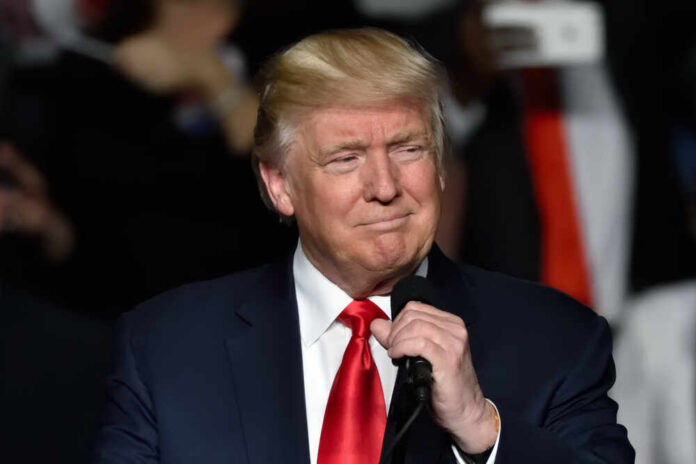
President Donald Trump spoke to reporters at the White House on May 12 before leaving for a China trip and was asked how Americans’ financial strain was motivating him to reach a deal to end the Iran war. Trump responded that it was “not even a little bit” of a factor, adding that his focus was preventing Iran from obtaining a nuclear weapon. The exchange immediately became political ammunition because it framed hardship at home as secondary to a single strategic aim.
Trump also argued that “every American understands” the priority of stopping a nuclear-armed Iran, and he suggested the conflict would end “peacefully” even while insisting the United States would “win it one way or the other.” That mix of reassurance and resolve is familiar in modern wartime messaging, but the phrasing matters. For many voters—especially those living paycheck to paycheck—leaders are expected to level with the public about tradeoffs, not wave them away.
The Iran Timeline: Strikes, Failed Talks, a Ceasefire, and a Costly Stalemate
The current conflict escalated sharply after Trump announced “major combat operations” against Iran on February 28, followed by massive joint U.S.-Israeli strikes on Iranian military and government-related infrastructure. Diplomatic efforts have not produced a settlement. Initial U.S.-Iran talks held in Pakistan in April failed to reach a peace deal, and a ceasefire announced roughly two weeks before May 12 has not yet translated into an agreement that definitively ends the war.
Trump’s administration has emphasized nuclear non-proliferation as the organizing principle of its Iran strategy, reflecting a long-running U.S. concern that stretches across multiple presidencies. From a conservative perspective, preventing a hostile regime from acquiring nuclear weapons aligns with core national-security duties of the federal government. The complication is that sustained operations and uncertain diplomacy expand executive discretion, especially when Congress and the public lack clear benchmarks for what “success” requires and how long it will take.
$29 Billion and Rising: War Spending Meets Inflation and High Gas Prices
Cost pressures are becoming harder to ignore. Acting Pentagon Comptroller Jules W. Hurst III reported that war costs increased from about $25 billion to $29 billion in roughly two weeks, citing operational expenses and equipment replacement, with munitions a major driver. That kind of rapid increase fuels questions that cut across party lines: how long operations can continue at this pace, what supplemental funding may be required, and what oversight Congress will demand even under GOP control.
Those fiscal questions land as inflation reaches a three-year high, with consumer prices increasing for a second consecutive month. Gas prices have been elevated, tied in part to instability in energy markets during Middle East conflict, and polling referenced in coverage has highlighted how fuel costs translate into household stress. Trump, for his part, predicted oil prices will drop sharply after the war ends and claimed inflation could fall by 1.5%, but those are forecasts—not guarantees—and families feel the present reality first.
China’s Role: Trump Heads to Xi Meeting After Mixed Signals on Mediation
Trump’s remarks came as he departed for Beijing for a May 13 meeting with Chinese President Xi Jinping, a summit carrying broader implications beyond Iran. Trump gave conflicting statements about whether China should help end the conflict—at points suggesting U.S. control and no need for help, then signaling openness to Xi’s assistance, then returning to the idea that help wasn’t necessary. That ambiguity matters because China’s influence could be relevant to diplomatic pathways, even if the U.S.-China relationship remains competitive and distrustful.
For Americans skeptical of “deep state” decision-making and permanent-war incentives, the broader lesson is straightforward: legitimacy depends on transparency. A commander in chief can credibly prioritize stopping nuclear proliferation while still acknowledging the economic strain that comes with conflict, inflation, and fuel volatility. If the administration wants durable public support, it will need clear goals, measurable milestones, and a public explanation of costs—because voters across the spectrum increasingly believe Washington protects its own interests first.
Sources:
Trump says stopping Iran’s nuclear program outweighs …
President Trump said Americans’ financial situation isn’t …
Trump says stopping Iran’s nuclear program outweighs …