Britain’s dramatic seizure of a Russian-linked “shadow fleet” oil tanker in the English Channel raises big questions about sanctions, sovereignty, and who is really steering Western policy on energy and war.[1]
Story Snapshot
- British armed forces boarded and detained the Cameroon-flagged tanker Smyrtos, accused of hauling Russian “shadow fleet” oil through the English Channel.[1]
- Prime Minister Keir Starmer called it a “blow to Russia,” yet officials have released little hard public evidence tying this specific ship to war funding.[1][2]
- The United Kingdom says this is its first operation of this kind, part of a wider drive to target hundreds of tankers tied to Russian oil exports.[2]
- The case highlights how European governments use sanctions and naval power to police global energy flows, with limited transparency and heavy reliance on their own claims.[1]
Armed boarding in the Channel and a bold claim from London
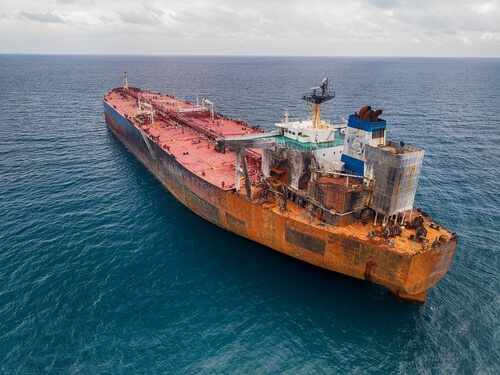
British officials say armed forces boarded and detained the oil tanker Smyrtos in the English Channel during a six-hour nighttime operation.[1] Reports describe Royal Marine Commandos and National Crime Agency officers fast-roping from helicopters, backed by Royal Air Force aircraft and Royal Navy ships, before taking control of the crew and moving the vessel to anchorage off England’s south coast.[2] The ship, sailing under a Cameroon flag, is now held for investigation into alleged sanctions breaches tied to Russian oil.[2]
Prime Minister Keir Starmer publicly praised the raid and framed it as part of the wider campaign against Moscow’s war in Ukraine.[1] He said the action “delivers yet another blow to Russia” and warned “those fueling Putin’s war” that they “cannot hide,” presenting the seizure as a direct strike against wartime oil revenue.[1][2] Britain’s Defence Ministry called it “the first UK-led operation of its kind,” signaling that London sees this not as a one-off incident, but as a model for future maritime sanctions enforcement.[2]
What “shadow fleet” means and why this tanker was targeted
Western officials use the term “shadow fleet” for tankers that move Russian oil outside normal channels, often by using flags of convenience, complex ownership chains, or risky ship-to-ship transfers. Public databases list the tanker Smyrtos as sanctioned for helping transport crude oil and petroleum products in violation of restrictions, placing it in that shadow fleet category. British reporting also notes that the United Kingdom has already sanctioned hundreds of vessels linked to Russian oil exports, building a broad legal base to act at sea against specific ships.[2]
In this case, authorities have not yet put out full public documentation of the exact legal theory behind the boarding and detention.[1] News coverage repeats government statements that the tanker was carrying sanctioned oil and was part of Russia’s shadow network, but it does not yet show cargo contracts, bills of lading, or a full ownership and insurance trail for Smyrtos.[1][2] As a result, most of what the public knows comes from British and allied officials’ words rather than from detailed records that outside experts can examine.[1]
Sanctions enforcement pattern and the push to police global oil flows
The Smyrtos action fits a larger pattern where European governments use sanctions law plus naval power to police shipping far from any battlefield. Earlier reports described French forces, with British Royal Navy support, boarding another tanker, the MV Deyna, as it sailed from Russia’s Murmansk port, also based on sanctions concerns about Russian oil. Legal experts in London say the United Kingdom now believes it has solid grounds to move against hundreds of suspected shadow-fleet ships, reflecting a shift toward more aggressive interdiction.[4]
British media note that these actions rely on a mix of national sanctions rules and international maritime law, including the United Nations Convention on the Law of the Sea, to justify boarding tankers that appear “stateless” or suspected of sanctions dodging.[1] Officials argue that targeting these vessels is necessary to “bear down on the resources sustaining Russia’s aggression in Ukraine,” portraying oil shipments as a direct funding pipeline to the Kremlin’s war machine.[1] Supporters say each seizure sends a warning to shippers, owners, and insurers who might help move discounted Russian oil around price caps.
Evidence gaps, media narratives, and what still is not clear
Despite the dramatic language, there are still gaps in what the public can see about Smyrtos itself.[1][2] Reports do not yet include the detention order, boarding warrant, or a detailed sanctions notice laying out the specific voyage, buyers, or payment channels tied to this operation.[1][2] The vessel’s name even appears with minor spelling differences across outlets, which adds some confusion for anyone trying to match media reports against ship registries and tracking data.[1][2][3][4]
😱After the detention of a Russian tanker in the English Channel, shadow fleet vessels began sharply turning around and changing their routes.
According to The Insider, citing data from Starboard Maritime Intelligence, several sanctioned tankers that were heading toward the… pic.twitter.com/lAjbAbcrQR
— Mr. Blacksmith (@Mr_Blacksmith_A) June 14, 2026
Critics of this kind of enforcement warn that heavy media dependence on official statements can lock in a success story before the evidence becomes public.[1] Governments may also hold back key details to protect intelligence sources, which makes outside review harder even when the action is lawful.[1] At the same time, there is no public rebuttal so far from the ship’s owners or operators challenging the British version, nor any court filing that disputes London’s legal authority to board and detain Smyrtos in the Channel.[1][2] For now, the world sees a high-profile raid, limited paperwork, and a reminder that control of energy routes is slipping further into the hands of unelected global regulators and war-time lawyers.
Sources:
[1] YouTube – Britain detains sanctioned oil tanker believed to be linked to …
[2] Web – Britain detains sanctioned oil tanker believed to be linked … – WSLS …
[3] Web – UK forces intercept Russian tanker SMYRTOS, block its entry to the …
[4] X – UK forces intercept and detain Russian-linked tanker Smyrtos in the …