As U.S. and Iranian strikes rattle the Strait of Hormuz and send oil prices higher, tech stocks are suddenly paying the price for a conflict many Americans feel their leaders let spin out of control.
Story Snapshot
- Oil prices are jumping again as U.S.-Iran clashes threaten shipping in the Strait of Hormuz, a key global energy route.
- Global stock markets, led by major technology companies, are falling as investors brace for higher costs and slower growth.
- Experts say markets are now reacting not just to war headlines but to real disruptions in tanker traffic and energy infrastructure.
- Both conservatives and liberals see the turmoil as another sign that Washington’s decisions are punishing ordinary Americans while elites stay insulated.
Strikes, Shipping Fears, And A Fresh Oil Price Shock
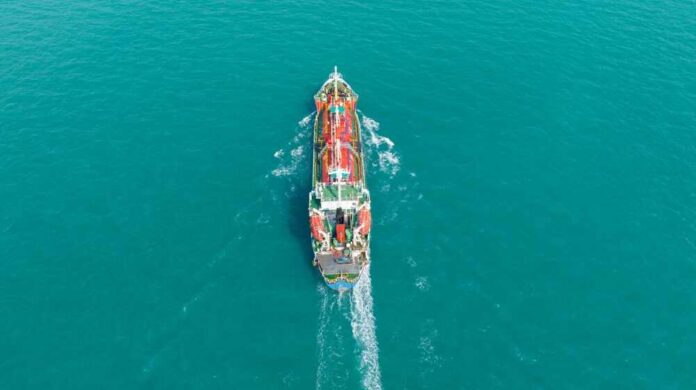
Recent U.S. and Iranian strikes in and around the Strait of Hormuz have once again put one of the world’s most important energy routes at risk. Iran has threatened tankers that try to pass the strait after U.S.-Israeli airstrikes, and several damaged vessels have made shippers and insurers pull back. Analysts describe an “effective halt of traffic” in this narrow channel, through which about one-fifth of global oil normally flows, turning a political crisis into a real supply shock.
Oil prices reacted fast. In several trading sessions since the conflict intensified, Brent crude and West Texas Intermediate have jumped between 2% and 9% in a single day, with some contracts briefly soaring above $100 per barrel. One market analysis from JPMorgan says prices crossed $100 as commercial traffic through the strait neared a standstill and storage in Gulf states approached capacity, warning of possible production shut-ins of millions of barrels per day if closure continues.
Tech Stocks Tank As Investors Flee Risk
While energy prices climb, stock markets are taking a hit, and technology shares are leading the slide. One report on the latest wave of strikes described oil prices up almost 5% by Monday midday, while global stocks, especially large tech names, moved sharply lower. A separate analysis noted that when oil fears flare, investors often dump growth-heavy sectors like technology and shift money toward cash, bonds, or traditional energy plays. This pattern leaves Silicon Valley exposed whenever Washington’s foreign policy triggers new shocks.
Higher oil prices also feed fears about inflation, interest rates, and weaker consumer spending. That matters a lot for tech firms whose profits depend on cheap capital and steady demand. The Federal Reserve is already under pressure over past money-printing and rate swings, and another energy spike makes the outlook even more uncertain. For older conservatives angry about years of inflation and liberals upset over widening inequality, a war-driven hit to retirement accounts and 401(k)s looks like more proof that elites gamble with their savings while dodging the fallout.
Risk Premiums, Real Disruptions, And Market Confusion
Big financial players say it is not only actual lost barrels that are moving prices, but also what they call a “geopolitical risk premium.” Goldman Sachs estimates traders are paying as much as $14 extra per barrel to compensate for the chance of deeper disruption as the Iran conflict drags on. Research from Allianz and other firms adds that war-risk insurance costs and hundreds of vessels waiting outside the strait are driving up costs even before a full blockade, meaning fear alone now has a dollar value built into every gallon.
3/ Strait of Hormuz Energy Shock
Ongoing US-Iran military clashes raise the probability of sustained shipping disruptions through the Strait of Hormuz, which handles roughly 20% of global oil trade and directly feeds into Brent and Australian diesel prices. This channel…
— Paul Hague (@paulhague247) July 13, 2026
At the same time, some reports stress that flows have not stopped everywhere and that traffic levels shift as ceasefire talks and threats come and go. Oil rose more than $2 after new U.S. strikes, then eased when a ceasefire extension or reopening plan seemed possible. This back-and-forth shows how quickly markets swing with each statement from Washington, Tehran, or Wall Street. For many Americans, those swings feel less like “efficient pricing” and more like a casino run by insiders who profit from volatility while workers and small investors absorb the shocks.
Why This Feels Like A Rigged Game To Ordinary Americans
The Iran war’s energy shock hits a country already divided over past policy mistakes. Conservatives over 40 remember being told that expensive green energy, globalist trade deals, and loose spending would not hurt them, only to watch fuel bills and grocery prices climb. Liberals over 40 recall promises that “America First” moves and cuts to social programs would be balanced by stability, only to see the gap between rich and poor widen. Now, both groups see foreign strikes and sanctions feeding a new spike in living costs and a fresh drop in savings.
Expert reports describe the 2026 Iran war, including Strait of Hormuz turmoil, as one of the largest supply disruptions in modern oil market history. Yet there is little sign that leaders in Washington, Tehran, or on Wall Street will personally bear the consequences. Executives hedge against risk premiums; traders exploit price swings; officials frame strikes and sanctions as “necessary” while delaying deeper fixes to energy security or fiscal discipline. For many citizens, this looks less like national defense and more like a system where the powerful can gamble with global chokepoints and never worry about making rent or paying for gas.
Energy Chokepoints And A Fragile American Dream
What makes the Strait of Hormuz so troubling is how much power it gives distant actors over daily American life. When about 20 million barrels of oil that normally move through that strait are even partly delayed, the ripple reaches U.S. fuel prices, shipping costs, food bills, and stock portfolios. One conflict in a waterway thousands of miles away can raise the price of commuting to work or running a small business in Ohio or Arizona, and most voters have almost no say in how that conflict is managed.
That reality feeds the growing belief, on both the right and the left, that the federal government serves the interests of a small group of elites instead of ordinary citizens. People see officials planning airstrikes and memo-of-understanding deals over shipping lanes, yet failing to shield workers and savers from the fallout. They watch tech stocks slide, oil companies and traders adjust, and another round of inflation fears hit Main Street. For Americans who still believe in the promise of the country—success through hard work and initiative—it is hard to escape the feeling that the game keeps getting harder while those running it remain comfortably above the fray.
Sources:
insiderpaper.com, cnbc.com, aljazeera.com, en.wikipedia.org, nytimes.com, finance.yahoo.com, bbc.com, youtube.com, forbes.com, insight.goover.ai, theguardian.com